What Makes Pizza Crust Crispy?

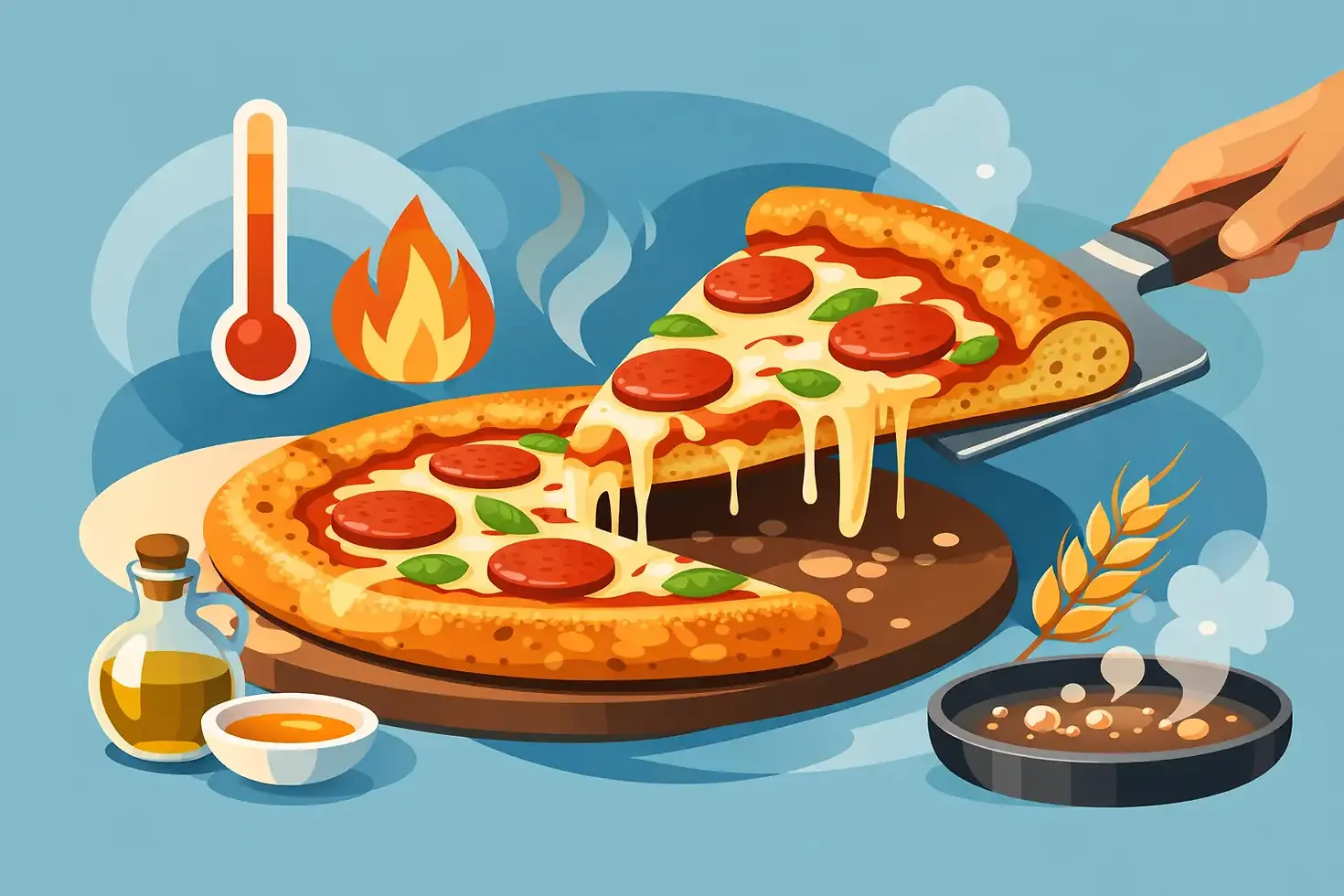
That moment when you pick up a slice and hear a light crackle under the crust is no accident. If you have ever wondered what makes pizza crust crispy, the answer is a mix of dough balance, oven heat, moisture control, and timing. Great pizza does not get crisp from one magic trick. It happens when every part of the process works together.
A crispy crust can mean different things depending on the pie. For some people, it is a thin slice with a firm bottom and a delicate crunch. For others, it is a deep-dish edge with a golden exterior and a sturdy bite that holds plenty of cheese and toppings without going soft. Either way, crispiness comes down to managing water, fat, and heat.
What Makes Pizza Crust Crispy in the First Place
At the most basic level, a crispy crust forms when the dough loses enough moisture during baking and the outside sets into a browned, firm shell. Heat drives water out of the dough. At the same time, the surface undergoes browning, which creates that rich flavor and appealing texture people associate with a well-baked pizza.
The challenge is that pizza dough starts out full of water. Sauce adds more. Cheese releases moisture as it melts, and vegetables can add even more than people expect. If the crust is going to stay crisp, the oven has to work fast enough and hot enough to evaporate moisture before the bottom turns pale and limp.
That is why a crisp crust is never just about baking longer. More time can help, but only if the dough, pan, and topping balance are right. Otherwise, extra time may simply dry out the pizza without giving it that satisfying crunch.
The Dough Matters More Than Most People Think
Crispy pizza begins with dough that is built for the job. Flour choice plays a role because protein affects structure. A dough with enough strength can trap gases, rise properly, and still hold its shape while baking. If the dough is too weak, it can bake up flat and soft rather than crisp.
Hydration is another major factor. That is just the amount of water in the dough compared to the flour. Higher-hydration doughs can create a beautiful airy interior, but they are often trickier to bake crisp unless the oven is very hot. Lower-hydration doughs tend to crisp more easily because there is less water to cook off. The trade-off is that they can feel denser if they are not handled well.
Fermentation also changes the crust. When dough rests and develops flavor, it usually browns better and bakes more evenly. A rushed dough can still make pizza, but it often lacks the texture and color that help a crust taste crisp, not just dry.
Heat Is the Real Game Changer
If there is one answer people are usually looking for when they ask what makes pizza crust crispy, it is heat. High heat cooks the crust quickly, sets the structure, and encourages browning before the toppings have time to waterlog the pie.
A hot oven helps in two ways. First, it gives the bottom of the crust a fast burst of cooking so it firms up early. Second, it helps moisture escape quickly from the surface and interior. That balance is what keeps the crust crisp outside while still tender inside.
This is also why pizza baked in a properly preheated deck oven, stone, or steel often has a better crust than pizza baked on a cool sheet pan in a slow oven. The crust needs immediate contact with strong heat. If it warms gradually, moisture lingers too long and the result is softer than most people want.
For pan pizza and deep-dish styles, the pan itself becomes part of the heat source. A well-heated pan can help create that golden, crisp underside that makes a thicker pizza feel satisfying instead of heavy.
Oil Helps Crispness, but It Has to Be Used Well
Oil in the dough or pan can make a big difference. It promotes browning, supports a fried-like edge in some styles, and helps the outer layer of the crust bake up with a more delicate crunch.
This is especially true in pan-baked pizza. When dough bakes against a lightly oiled surface, the contact area can become beautifully crisp and golden. That does not mean more oil always equals better pizza. Too much can make the crust greasy, and grease is not the same as crispness.
A good crust should feel clean and structured when you bite into it. The oil should support the texture, not overwhelm it.
Sauce and Toppings Can Make or Break the Crust
A lot of crust problems actually start on top of the pizza. Heavy sauce, fresh mozzarella with high moisture, and water-rich vegetables can all work against a crisp bake. Mushrooms, spinach, tomatoes, and even some meats release liquid during cooking. If too much moisture collects over the dough, the center can stay soft while the edges race ahead.
That does not mean you have to keep toppings light or boring. It means the pizza needs balance. A crust loaded with bold flavors like sausage, garlic, feta, spinach, or bacon can still bake beautifully if the ingredients are portioned well and the oven is hot enough to handle them.
This is one reason thicker pizzas need skill. A deep-dish or heavily topped pie asks the crust to support more weight and more moisture. To stay crisp, the dough has to be structured properly, the pan has to do its job, and the bake has to be timed so the bottom and edges finish strong.
What Makes Pizza Crust Crispy at Home
Home kitchens can absolutely produce crisp pizza, but they usually need a few adjustments. Most home ovens do not hit the same temperatures as commercial pizza ovens, so you have to make the most of the heat you do have.
Preheating matters more than many people realize. An oven may say it is ready, but the baking surface inside often needs extra time to get fully hot. Giving a pizza stone, steel, or pan enough time to heat thoroughly can improve the final crust right away.
Stretching the dough evenly matters too. If the center is too thick, it may stay soft while the edges crisp. If the dough is overloaded with sauce, the middle can turn soggy before the bottom has a chance to set. And if the pizza goes into the oven on a cold tray, the crust starts at a disadvantage.
For home bakers, a little restraint often helps. Slightly less sauce, well-drained cheese, and thoughtful topping amounts usually produce a crisper pie than piling everything on and hoping for the best.
Why Some Thick Crusts Still Taste Crispy
People often assume only thin pizza can be crispy, but that is not true. Thick crust can absolutely have crisp edges and a crisp bottom. The texture is just different.
Thin crust tends to give you snap. Thick crust gives you contrast. You get a browned outer shell and a softer interior, which can be especially satisfying when the toppings are generous. When done right, that contrast is part of what makes a pan pizza or deep-dish slice so comforting.
That is one reason neighborhood pizza places with experience in hearty, topping-rich pies stand out. A thicker pizza has to deliver flavor, structure, and texture all at once. At Leonardo's Italian, that balance is part of what makes a well-made deep-dish pizza feel like more than just a quick meal. It feels worth coming back for.
The Best Crispy Crust Is the One That Fits the Style
There is no single definition of the perfect crispy crust. A New York-style slice, a pan pizza, and a deep-dish pie all aim for different textures. What matters is whether the crust suits the pizza around it.
A good crispy crust should support the toppings, add flavor of its own, and give each bite a little structure. It should not shatter like a cracker unless that is the style. It should not be so hard that it feels dry. The sweet spot is crisp enough to notice and tender enough to enjoy.
That balance is what keeps people chasing great pizza. Crispiness is not just texture. It is part of the whole experience - the sound of the first bite, the way the slice holds up in your hand, and the contrast between rich toppings and a well-baked crust.
The next time you bite into a pizza with that golden bottom and just-right crunch, you will know it came from a lot of little things done well, and that is exactly what makes it memorable.


Comments